In the domain of forklift operations, ensuring the utmost safety and compliance is not just a regulatory requirement but a fundamental necessity to safeguard operators and maintain efficient workflows. Hybrid learning emerges as a potent solution in this context, adeptly combining the strengths of both online theoretical instruction and supervised practical exercises. This integrated approach significantly enhances learning outcomes, ensuring that forklift operators are well-prepared for the complexities of their roles.
The Merits of Hybrid Learning for Forklift Safety Training
Hybrid learning, by design, addresses the diverse needs of learners by blending the flexibility of online education with the immediacy and practicality of face-to-face training. This method allows trainees to absorb complex theoretical knowledge at their own pace, accessing resources and materials online, which provides a foundation of understanding that is crucial before advancing to practical applications.
Comprehensive Theoretical Understanding
Online modules can cover a vast range of topics essential for forklift operation, including safety protocols, operational procedures, and emergency responses. Interactive elements such as quizzes, videos and simulations can enrich this learning, making it engaging and more likely to be retained. This phase also allows for consistent updates and integration of the latest safety regulations and practices, ensuring that all training is current and comprehensive.
Practical Application Under Supervision
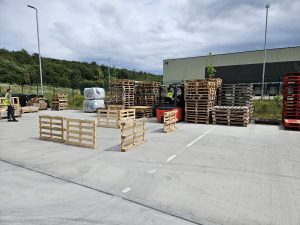
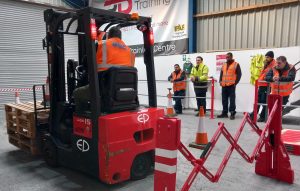
After acquiring the necessary theoretical knowledge, trainees move to the practical phase where they can apply what they’ve learnt in a controlled environment. Supervised hands-on sessions are crucial as they provide an opportunity for learners to experience real-life scenarios, under the guidance of experienced instructors. This not only reinforces their learning but also helps in identifying and correcting any misunderstandings or bad habits early in the training process.
Advantages of Hybrid Learning in Ensuring Compliance and Safety
- Flexibility and Accessibility: Trainees can complete theoretical components at their convenience, reducing downtime and allowing for a more flexible training schedule. This is particularly beneficial for organisations with multiple shifts or remote locations.
- Enhanced Learning Retention: By engaging with content interactively online and then practicing skills in a real-world environment, trainees are more likely to retain information and apply it effectively on the job.
- Scalability and Efficiency: Hybrid models can be scaled easily to accommodate more trainees without the need for extensive physical infrastructure. This efficiency makes it possible to train large numbers of operators faster and more effectively.
- Improved Safety Outcomes: With robust theoretical learning backed by practical experience, operators are better equipped to handle the forklift safely, reducing the likelihood of accidents and enhancing overall workplace safety.
- Regulatory Compliance: Hybrid learning makes it easier to integrate and update courses to comply with the latest safety standards and regulations. Digital tracking of progress and completion also aids in maintaining records essential for compliance audits.
In conclusion, hybrid learning is an exemplary approach in the realm of forklift safety training, offering a balanced and effective method to ensure that operators are well-trained, compliant, and, above all, safe. By embracing this innovative training model, organisations can significantly enhance their safety protocols and operational efficiency.
Contact us today to discuss your unique requirements and to find out how hybrid learning can work for you and your workforce.