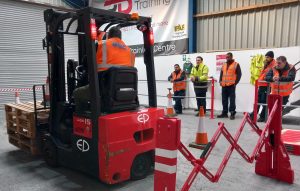
In the dynamic environment of construction sites, warehouses, and other industrial settings, the role of a vehicle banksman is pivotal. A vehicle banksman, sometimes referred to as a traffic marshal, is responsible for guiding and directing the movement of vehicles, ensuring safety and efficiency in areas where vehicle manoeuvres are complex and fraught with potential hazards. This blog delves into what a vehicle banksman does, alongside the essential skills and responsibilities associated with the role.
What Does a Vehicle Banksman Do?
A vehicle banksman is primarily tasked with directing the movement of vehicles, particularly in situations where the driver’s visibility is limited or obstructed. This can include reversing vehicles, navigating through tight spaces, and operating in busy or hazardous areas. The banksman uses a series of hand signals or two-way radios to communicate with the driver, providing precise instructions to facilitate safe and efficient vehicle movements.
Key Responsibilities of a Vehicle Banksman
- Ensuring Safety: The foremost responsibility of a vehicle banksman is to maintain a safe environment. This includes preventing accidents involving vehicles, pedestrians, and other machinery. They are vigilant in identifying and mitigating potential hazards.
- Directing Vehicle Movements: Through clear communication, either via hand signals or radio, the banksman guides drivers, ensuring they manoeuvre their vehicles correctly and safely. This is particularly critical when reversing or operating in confined spaces.
- Traffic Management: On busy sites, the vehicle banksman often takes on the role of managing traffic flow. They coordinate vehicle movements to minimise congestion and avoid collisions.
- Conducting Safety Checks: Before any vehicle movement, the banksman may inspect the area for obstacles and ensure it is safe for the vehicle to proceed. They also check that all necessary safety precautions are in place.
- Communication: Effective communication is crucial. A banksman must convey instructions clearly and promptly to drivers and other site personnel to ensure smooth operations.
Essential Skills for a Vehicle Banksman
- Excellent Communication: Proficiency in non-verbal communication, such as hand signals, and verbal communication, typically via two-way radios, is essential. The ability to convey clear, concise instructions is paramount.
- Situational Awareness: A banksman must constantly be aware of their surroundings, anticipating potential hazards and reacting swiftly to any changes in the environment.
- Attention to Detail: The role requires meticulous attention to detail to identify risks and ensure that vehicles are manoeuvred with precision.
- Physical Fitness: Given that the job often involves standing for long periods and sometimes moving quickly to different positions, physical fitness is important.
- Training and Certification: While specific qualifications can vary, having recognised training and certification in vehicle marshalling or banksman duties is often required. This ensures that the banksman is knowledgeable about the latest safety protocols and procedures.
- Problem-Solving Abilities: Unexpected situations can arise, and a banksman must be capable of thinking on their feet and providing quick, effective solutions.
Conclusion
The role of a vehicle banksman is indispensable in maintaining safety and efficiency in environments where vehicle movement is complex and potentially hazardous. Their responsibilities are diverse, encompassing safety assurance, vehicle guidance, traffic management, and effective communication. By possessing key skills such as excellent communication, situational awareness, and problem-solving abilities, a vehicle banksman ensures that operations proceed smoothly and safely. This vital role not only enhances operational efficiency but also significantly reduces the risk of accidents, safeguarding both personnel and equipment.