Operating a forklift presents a unique set of challenges and risks, particularly for new operators. Mastery of the vehicle is not just about handling the controls but also about understanding and respecting the environment in which it is used. The following tips are designed to help new forklift operators navigate these challenges with a focus on safety and efficiency.
1. Obtain Proper Forklift Training and Certification
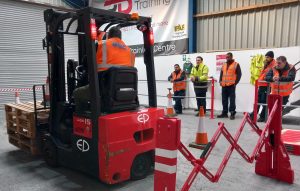
Before you even set foot in a forklift, it’s essential that you receive the proper training and certification. In the UK, this means completing an accredited course that covers both theoretical knowledge and practical skills. This training will not only ensure that you are legally compliant but will also equip you with the knowledge needed to operate the forklift safely.
2. Conduct Pre-Operation Checks
Before starting your shift, conduct thorough pre-operation checks. This includes checking the forklift’s tyres, brakes, steering, control panel, and safety devices. Make sure the load handling attachments are secure and in good working condition. Identifying and addressing any issues before starting the machine can prevent accidents and equipment damage.
3. Wear Appropriate Safety Gear
Always wear the appropriate safety gear, including a hard hat, safety shoes, and high-visibility clothing. Depending on the environment you’re working in, additional gear such as hearing protection or safety glasses may also be necessary.
4. Understand the Forklift’s Capacity
It’s crucial to understand the load capacity of your forklift and never exceed it. Attempting to lift a load that’s too heavy can cause the forklift to tip over, leading to accidents or injuries. Always check the forklift’s data plate for specific information about its capabilities and limitations.
5. Maintain Clear Visibility
Maintain clear visibility at all times while operating the forklift. This means keeping the load at a height that allows you to see over it, using mirrors to help with visibility, and always being aware of your surroundings. If visibility is poor, consider using a spotter who can guide you.
6. Operate at a Safe Speed
Always operate the forklift at a speed that is safe for the environment and conditions. This means slowing down in congested areas, around corners, and when near pedestrians. Remember, safety always takes precedence over speed.
7. Use Correct Lifting and Lowering Techniques
When lifting or lowering loads, do so smoothly and slowly to maintain control of the forklift and the load. Make sure the forks are fully inserted into the pallet and that the load is centred and stable before moving.
8. Keep a Safe Distance from Other Vehicles
Always keep a safe distance from other vehicles and machinery. Forklifts require more time to stop than many operators anticipate, especially when carrying heavy loads, so it’s important to maintain a safe following distance.
9. Follow Site-Specific Rules and Guidelines
Every workplace has its own set of rules and guidelines for forklift operation. Familiarise yourself with these and follow them diligently. They are designed to keep you and your colleagues safe.
10. Stay Alert and Avoid Distractions
Operating a forklift requires your full attention. Stay alert to your surroundings and avoid distractions such as mobile phones or other devices. Being aware of your environment at all times is key to preventing accidents.
Conclusion
For new forklift operators, safety should always be the top priority. By following these tips and maintaining a commitment to safe operation, you can significantly reduce the risk of accidents and injuries. Remember, operating a forklift proficiently and safely takes time and practice, so be patient with yourself and always adhere to the best practices. If you are looking for forklift training, contact us today to find out about our range of courses offered at our fully equipped training centre in Maidenhead.